City Designs Pollution Control and Climate Change Mitigation
Reported by Aldi Geri Lumban Tobing | Translated by Nugroho Adibrata
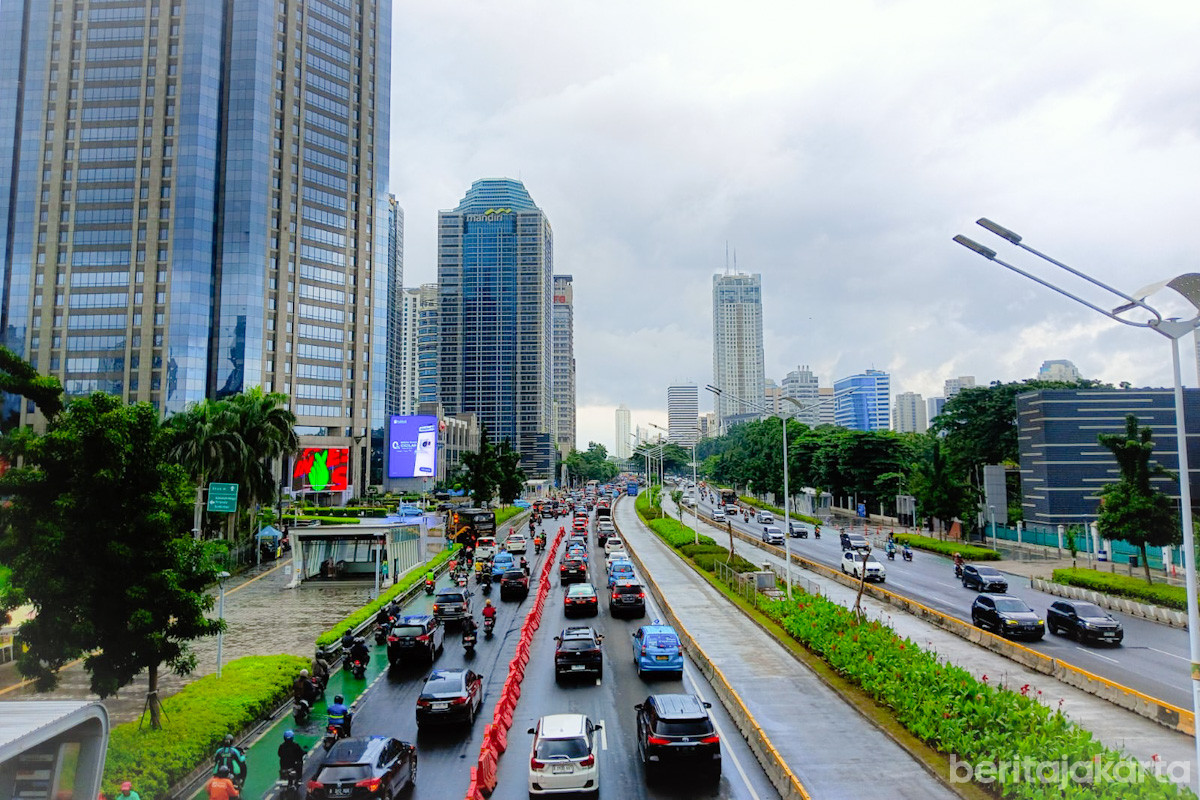
The Jakarta government is currently preparing the Draft Bylaw on the Plan for Air Quality Protection and Management (RPPMU).
Air pollution control actions can quickly benefit public health
This regulation is designed as a comprehensive framework that unites air pollution control with climate change mitigation strategies, thus clean air policies and greenhouse gas emission reductions can be achieved simultaneously and more effectively.
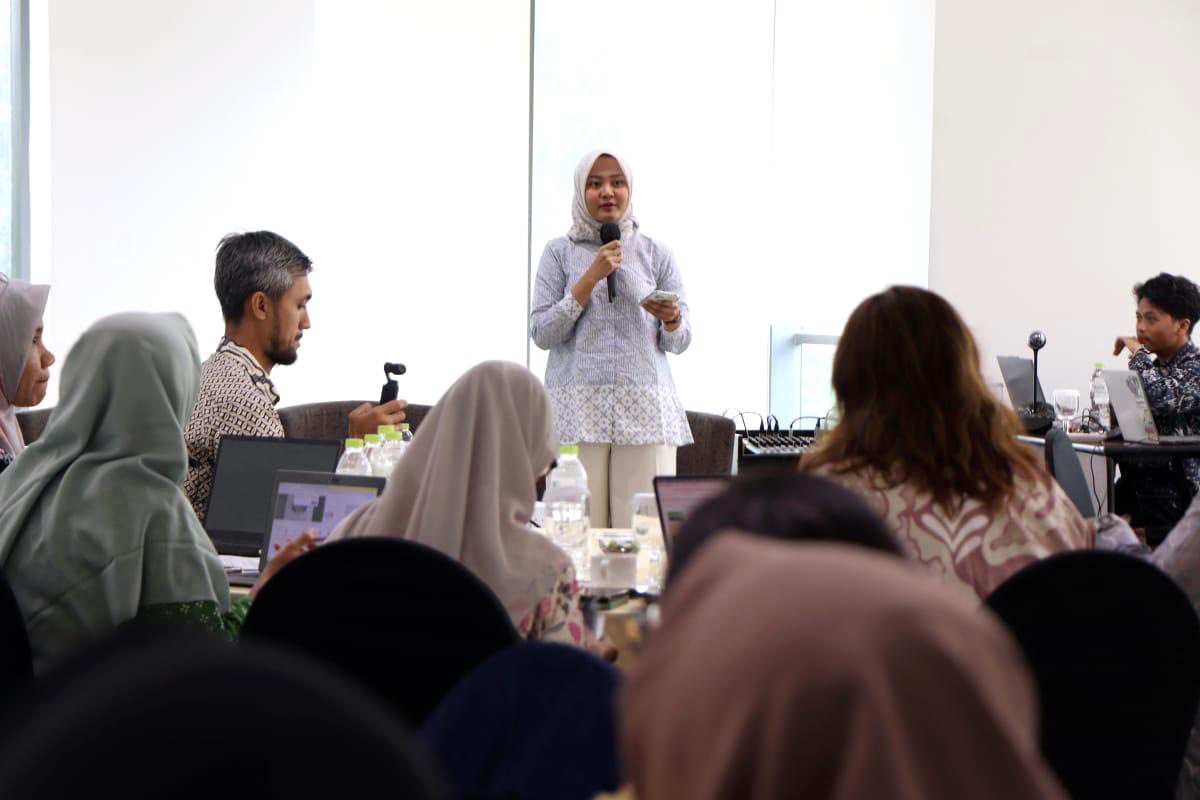
Jakarta Environment Agency Head, Asep Kuswanto said, this initiative is mandated by Government Regulation Number 22/2021 and serves as a foundation to ensure that air quality management is conducted in a measurable, scientific, and integrated manner with long-term climate agendas.
Saung Aset Urban Farming Greenhouse Uses IoT TechnologyHe explained, Jakarta has prepared a technical foundation in the form of the Jakarta Climate Action Plan until 2050, integrated data on GHG emissions and PM2.5 concentrations, and the development of the Mitigation Action Plan Document (DRAM) involving multiple cross-sector agencies.
"This entire series of measures is aimed at achieving a 30 percent reduction in greenhouse gas emissions by 2030, while also improving the air quality enjoyed by residents every day," he expressed, Tuesday (11/25).
According to him, this scientific and collaborative approach is very important for Jakarta to become a healthier, climate-resilient, and sustainable city, with direct benefits such as cleaner air and reduced public health risks.
He explained, the integration of clean air policies and climate mitigation not only enhances policy effectiveness but also creates co-benefits that have long been a major challenge for big cities.
"With this bylaw, Jakarta reaffirms its commitment to providing clean air while reducing emissions, making the city healthier, more resilient, and sustainable for future generations," he continued.
From a national perspective, Ozone-Depleting Substance and Hydrofluorocarbon Task Force Coordinator for Environment Ministry, Zulhasni, stated that Indonesia has increased its climate ambition through the Enhanced Nationally Determined Contribution (Enhanced NDC).
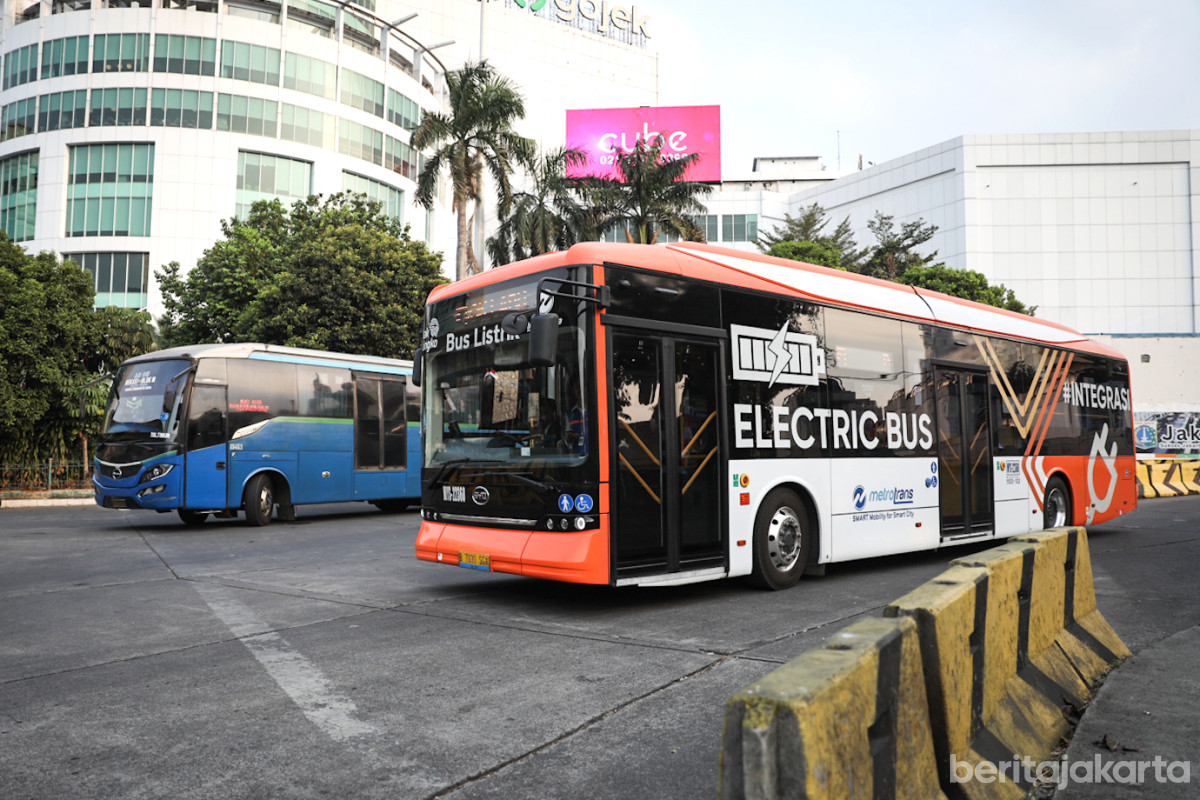
He went on to say that the government aims to reduce emissions by 31.89 percent through independent efforts and 43.20 percent with international support by 2030. To achieve this, various acceleration measures are being implemented, including transportation system efficiency, vehicle renewal, mass transit development, and accelerating the adoption of electric vehicles.
"In the household and commercial sectors, efforts are focused on energy efficiency, the use of low GWP refrigerants, energy-saving equipment, and the implementation of green building standards for both new and existing buildings," he explained.
Resilience Development Initiative (RDI) Researcher, Baihaqi Muhammad, emphasizes that air pollution and climate change are two interconnected issues that cannot be addressed separately.
He explained that pollutants like black carbon directly contribute to global warming while also worsening air quality in urban areas.
"Hence, air pollution control actions can quickly benefit public health while also serving as an important driver for climate mitigation efforts," he explained.
He assessed, the transportation, energy, and industrial sectors are the main sources of GHG emissions and air pollutants. Policy priorities for Jakarta moving forward should include increasing the use of public transportation, implementing EURO4 fuel standards, accelerating the adoption of electric vehicles, and expanding renewable energy such as rooftop solar PV, waste-to-energy, and wind power.
"In the industrial and building sectors, energy efficiency in production processes, energy-efficient cooling, and high-efficiency lighting are also crucial in efforts to reduce emissions," he stated.